
Innovative Approaches to Eco-Friendly Packaging Solutions

In today’s market, brands are increasingly aware of their environmental impact. Packaging plays a crucial role in this shift toward sustainability. As someone deeply involved in private-label manufacturing for natural and sustainable products, I’ve seen firsthand how innovative packaging can transform a brand’s story and customer experience. Embracing eco-friendly packaging solutions is not just a trend; it’s a necessity for businesses aiming to thrive responsibly.
Embracing Eco-Friendly Packaging Solutions for Your Brand
Choosing the right packaging is more than just aesthetics or cost. It’s about aligning your product with values that resonate with conscious consumers. Eco-friendly packaging solutions focus on reducing waste, using renewable materials, and improving recyclability. Here are some practical approaches I recommend:
Biodegradable Materials: Packaging made from plant-based fibers like cornstarch, sugarcane, or bamboo breaks down naturally without harming the environment.
Recycled Content: Using post-consumer recycled paper or plastics reduces the demand for virgin materials and lowers carbon footprints.
Minimalist Design: Less is more. Reducing packaging layers and avoiding unnecessary components cuts down waste and shipping weight.
Reusable Packaging: Encouraging customers to reuse containers or offering refill options can build loyalty and reduce single-use waste.
By integrating these strategies, brands can create packaging that supports their sustainability goals while maintaining product integrity and appeal.

What is sustainable packaging design?
Sustainable packaging design is a thoughtful process that balances environmental responsibility with functionality and brand identity. It involves selecting materials and production methods that minimize ecological impact throughout the packaging lifecycle. This includes sourcing renewable resources, optimizing manufacturing efficiency, and ensuring the packaging is recyclable or compostable after use.
A key part of this design philosophy is understanding the entire supply chain and how packaging interacts with the product and consumer. For example, a fragile natural skincare product might require protective packaging, but that packaging should still be eco-friendly and easy to dispose of responsibly.
Brands that invest in sustainable packaging design often see benefits beyond environmental impact. They gain consumer trust, differentiate themselves in crowded markets, and sometimes reduce costs through smarter material choices and streamlined production.
For those interested in exploring options, I recommend checking out sustainable packaging design solutions that combine innovation with practicality.
Cutting-Edge Materials Driving Packaging Innovation
The materials used in packaging are evolving rapidly. Here are some of the most exciting innovations I’ve encountered that can elevate your packaging while supporting sustainability:
Mushroom Packaging: Made from mycelium, this material is fully compostable and can replace foam or plastic inserts.
Seaweed-Based Films: These films are biodegradable and can be used for wrapping or as a protective layer.
Edible Packaging: For certain products, edible packaging made from natural ingredients offers a zero-waste solution.
Water-Activated Tape: This tape eliminates plastic and is made from paper, making it easier to recycle the entire package.
Plant-Based Plastics (PLA): Derived from corn starch or sugarcane, PLA plastics are compostable under industrial conditions.
Each of these materials has unique properties and applications. When selecting packaging, consider the product’s shelf life, transportation needs, and end-of-life disposal options. Collaborating with manufacturers who understand these materials can help you find the best fit.
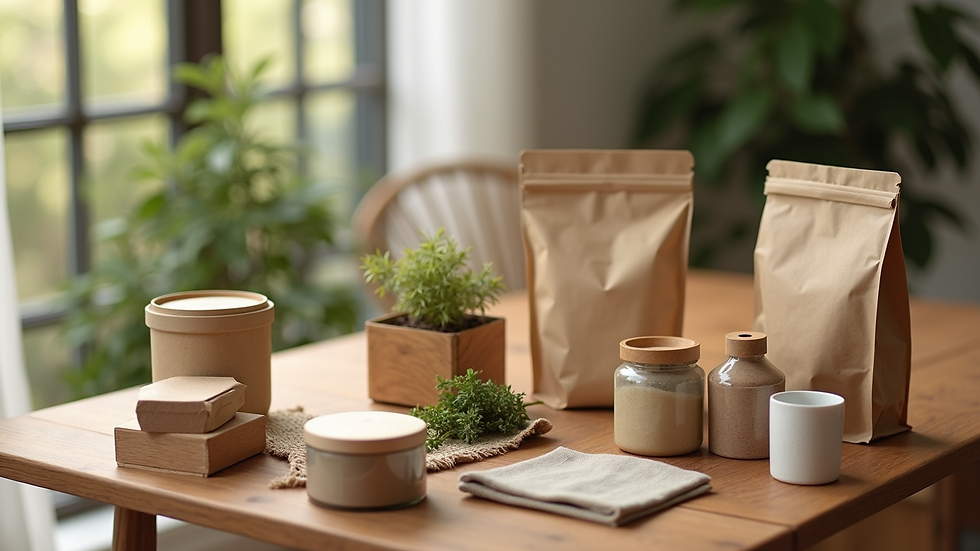
Practical Tips for Implementing Sustainable Packaging in Small Production Runs
One challenge many brands face is adopting sustainable packaging without committing to large minimum orders. Smaller production runs can be more flexible but sometimes limit packaging options. Here’s how to navigate this:
Partner with Specialized Manufacturers: Look for private-label manufacturers experienced in sustainable packaging who offer low minimums and customization.
Use Modular Packaging Designs: Standardized components can be combined in different ways to reduce costs and waste.
Focus on Core Packaging Elements: Prioritize eco-friendly materials for the main packaging and consider simpler secondary packaging.
Test and Iterate: Start with small batches to gather customer feedback and optimize your packaging before scaling.
Leverage Digital Printing: This allows for smaller runs with customized designs without the need for expensive plates or setup.
By applying these strategies, brands can maintain their commitment to sustainability while managing costs and production flexibility.
The Future of Sustainable Packaging: Trends to Watch
Sustainability in packaging is a dynamic field. Staying ahead means keeping an eye on emerging trends and technologies. Here are some developments I’m excited about:
Smart Packaging: Incorporating sensors or QR codes to provide product information and recycling instructions, enhancing consumer engagement.
Circular Economy Models: Designing packaging that fits into closed-loop systems where materials are continuously reused.
Carbon-Neutral Packaging: Offsetting emissions from packaging production and transportation to achieve net-zero impact.
Local Sourcing and Production: Reducing transportation emissions by sourcing materials and manufacturing closer to the end market.
Consumer Education: Packaging that clearly communicates how to recycle or compost, empowering customers to participate in sustainability.
Adopting these trends can position your brand as a leader in responsible packaging and build stronger connections with eco-conscious consumers.
Taking the Next Step Toward Sustainable Packaging Success
Transitioning to innovative, eco-friendly packaging solutions is a journey worth taking. It requires thoughtful planning, collaboration, and a willingness to experiment. But the rewards are significant: a stronger brand reputation, reduced environmental impact, and a loyal customer base that values your commitment.
If you’re ready to explore how sustainable packaging design can elevate your products, consider partnering with experts who specialize in natural and sustainable private-label manufacturing. Together, you can create packaging that not only protects your product but also protects the planet.
Remember, every small change adds up. Start with one innovative approach today and watch your brand grow sustainably.
Thank you for joining me on this exploration of eco-friendly packaging solutions. I hope these insights inspire you to take bold steps toward a greener future.


Comments